Types of exterior façade cladding: materials and solutions for the retail sector
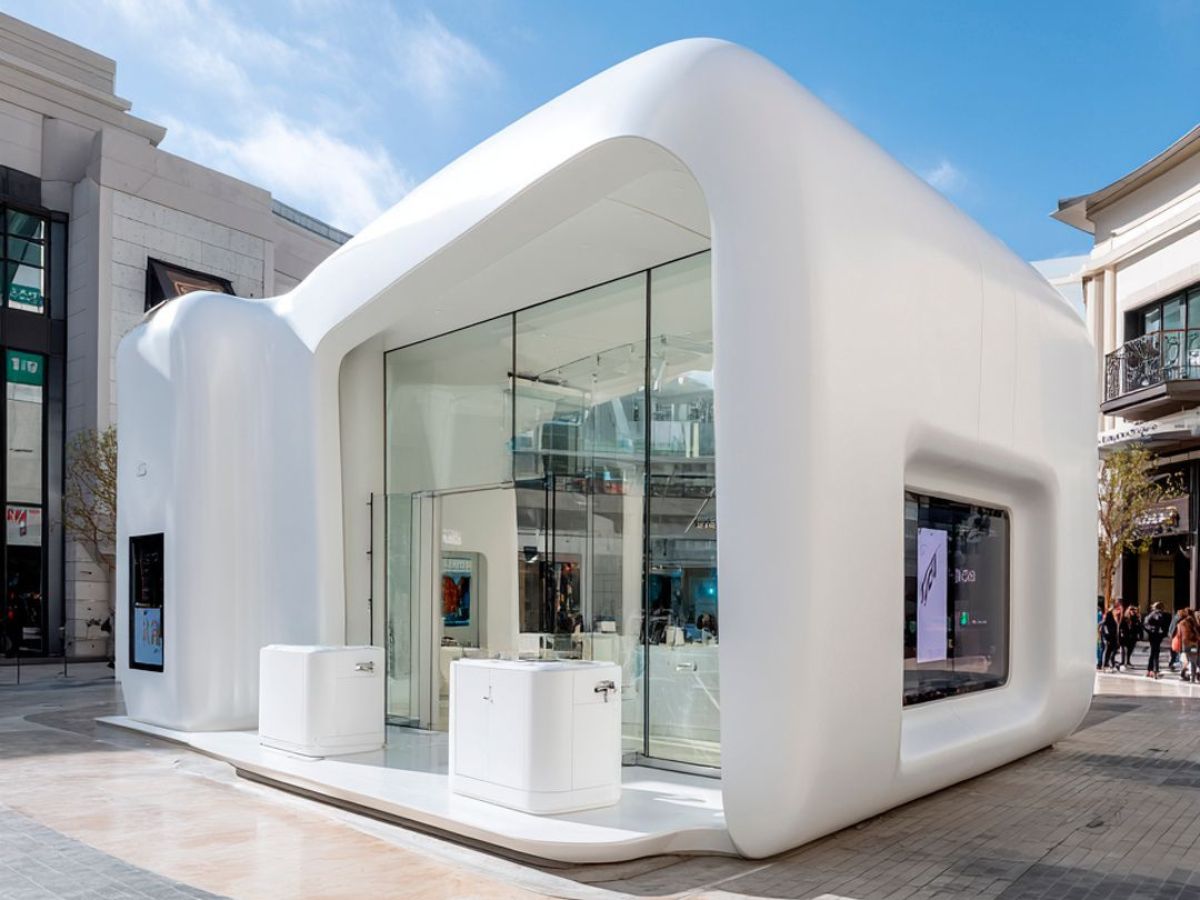
18/08/2026
The design and upkeep of exterior façades are essential for commercial premises. A well-selected cladding solution can improve the appearance of a building while also supporting durability, performance and long-term efficiency.
In this article, we look at the main types of exterior façade cladding, their advantages and how Krion® can become a valuable solution for high-end retail and commercial projects.
Trend-setting types of external wall cladding
Today, there are many exterior wall cladding options that combine design, resistance and functionality. These are some of the most commonly used finishes in commercial projects:
|
Material |
Degree of customisation |
Maintenance |
Repairability | Curvability | Joint integration |
|
Concrete |
High |
Low | Medium-high |
High |
Very high, as it allows for continuous finishes |
|
Stone |
Medium-high |
Medium |
Medium |
Low |
Low, requires joints between pieces |
|
Ceramic |
High |
Low | Medium by replacing pieces | Low |
Medium, joints can be minimised depending on the format and system |
|
HPL |
High |
Low |
Medium, by replacing panels |
Medium, depending on thickness and system |
Medium, retains joints between panels |
|
Metal panels |
High |
Low |
Medium-high, by replacing panels |
High |
Medium-high, depending on the fixing system and design |
|
Krion® LUX Solid Surface |
Very high | Low | High | Very high thanks to its thermoforming capability |
Very high, with virtually imperceptible joints |
Cement-effect façades
Cement finishes are often chosen for their robust appearance and industrial character. They work well in commercial spaces that aim to project a modern, minimalist image. This type of finish can offer good resistance outdoors, although specific treatments may be required to help prevent cracking or deterioration over time.
Facade with a stone finish
Stone provides a natural and elegant aesthetic, with a range of finishes and customisation options. It is a robust and durable solution, although it requires joints between pieces and offers limited flexibility for curving.
Facade with a ceramic finish
Ceramic stands out for its variety of formats, finishes and aesthetic possibilities. It requires little maintenance and allows damaged pieces to be replaced, although joints remain an integral part of the installation system.
Facade with an HPL finish
HPL panels offer a wide range of finishes and a versatile aesthetic for retail projects. They are easy to maintain and allow individual panels to be replaced, although visible joints remain between the pieces.
Façades with metal panels
Metal panels, including aluminium solutions, are often used in contemporary architectural projects. They offer a clean, modern appearance and can be suitable for bold retail designs, while also contributing to durability and thermal performance depending on the system used.
Façades with Krion® Solid surface
Solid Surface has become an increasingly interesting option for façade projects thanks to its technical and design properties. Krion® is thermoformable, resistant and suitable for demanding applications, making it a strong choice for retail façades that require both visual impact and performance.
How to choose the best cladding for a shop façade
Choosing the right exterior cladding for a commercial space requires careful consideration of climate, safety, maintenance, durability and the visual identity of the brand.
-
Assess the local climate: The façade material should respond to the conditions of its location, including temperature changes, humidity and exposure to the elements. For example, many Solid Surface sheet models are designed to withstand outdoor conditions and can be regenerated to recover their original appearance.
-
Prioritise safety for customers and staff: Fire-resistant cladding can help protect commercial spaces in critical situations. These materials can also support durability, especially in environments where intensive cleaning or disinfection may be required. In addition, they can help reduce the spread of fire and protect surrounding areas.
-
Balance aesthetics and functionality: The cladding should complement both the exterior and interior design of the premises. Krion offers solutions in a wide range of materials, colours and textures. In addition to furniture made with Krion®, walls and furniture can also be enhanced with decorative panels such as Alluslate® or Fitwall®.
-
Consider durability and maintenance: A façade is a long-term investment, so it is important to choose materials that resist wear, fading and chemical agents. This can help reduce repair needs and maintenance costs over time.
-
Choose more sustainable solutions: Environmental responsibility is increasingly important in commercial design. Materials such as Recycled Content Krion® K-Life 1100 can contribute to reducing environmental impact. Using more responsible materials can also strengthen the perception of a brand committed to sustainable practices.
-
Look for good impact resistance: Shop façades in busy areas need to withstand knocks, scratches and daily use. Choosing impact-resistant and scratch-resistant materials helps keep the exterior looking clean and well maintained for longer, especially in high-traffic commercial environments.
Advantages of Krion® for exterior façade cladding
Krion® offers several benefits that make it a suitable option for commercial façade projects:
-
Resistance to fire and chemical agents: It complies with safety requirements and does not contribute to flame spread.
-
Almost imperceptible joints: It allows continuous-looking surfaces to be created, with joints that are barely visible and easier-to-clean finishes.
-
Low thermal conductivity: It can help support indoor comfort and improve the energy performance of the space.
-
Design versatility: Its thermoformable nature allows it to adapt to different shapes, styles and architectural concepts.
→ Find out more about the technical properties of our solution for exterior façade cladding.
Why choosing the right exterior cladding matters for commercial premises
Selecting the right cladding for a commercial façade can bring several benefits. In addition to improving the look of the building, it can influence customer perception and contribute to the overall functionality of the space:
-
Improved brand image: Innovative and customisable cladding can give a store a more contemporary, professional and distinctive appearance, helping it attract attention from potential customers.
-
Weather resistance: High-quality façade materials can help protect the building against moisture, UV exposure and changes in temperature.
-
Thermal and acoustic performance: Some exterior cladding systems can contribute to indoor comfort by helping to regulate temperature and reduce external noise.
-
Easy maintenance: Materials such as Krion® are designed to offer easy-care surfaces, helping façades maintain their appearance over time with reduced maintenance requirements.
Real-life examples of retail shopfronts to inspire you

Porcelanosa Group Project: FAMILY CASH - Benicarló, Spain
Architecture: Family Cash Technical Team + HMY Group
Solutions from Porcelanosa, Butech, Noken and Krion.
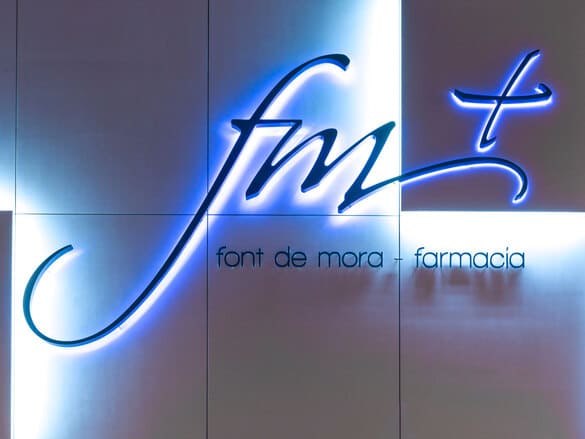
Porcelanosa Group Project: FONT DE MORA CHEMIST'S - Vila-real, Spain
Architecture: Rokiski Arquitectos
Solutions by Porcelanosa, Butech and Krion.
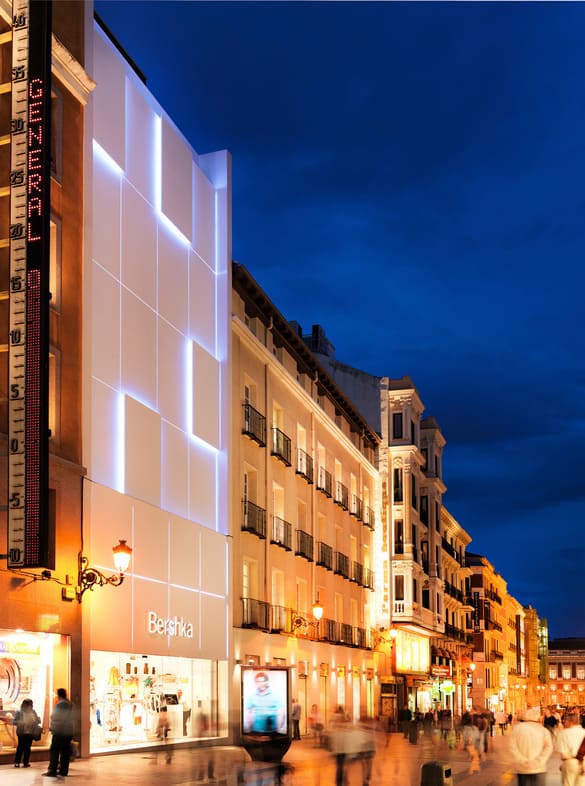
Porcelanosa Group Project: BERSHKA MADRID - Madrid, Spain
Photography: Gori Salvà
Architecture: Estudio Castel Veciana
Solutions from Porcelanosa, Butech and Krion.
Choosing the right type of exterior shop façade cladding is essential for improving both durability and visual impact. With solutions such as Krion®, architects, designers and retail owners can create distinctive façades using a low-maintenance material that responds to many of the current challenges in commercial design.
Frequently asked questions about façade cladding
What is the best type of façade cladding?
There is no single type of cladding suitable for all façades. The choice will depend on factors such as design, climatic conditions, maintenance requirements and customisation needs. In retail projects, Krion® LUX stands out for its strength, thermoformability, reparability and the ability to create surfaces with virtually imperceptible joints.
Which cladding materials should be avoided?
It is advisable to avoid solutions that do not meet the specific requirements of the project or that have maintenance needs incompatible with the intended use. For commercial façades, it is also important to assess their strength, durability and performance when exposed to the elements.
Which materials allow for the creation of curved façades?
Some materials can be adapted to curved shapes, although the possibilities vary depending on their composition and installation system. Krion® LUX can be thermoformed by applying heat, allowing for the creation of curved shapes and customised designs for the façade.
Which cladding requires the least maintenance?
Maintenance depends on the material, the finish and the conditions to which the façade is exposed. Krion® LUX requires minimal maintenance and, furthermore, can be repaired and restored should the surface suffer certain types of damage, helping to extend its service life.
,