Commercial architecture: transforming the customer's experience

06/06/2024 [Updated on 28/10/2025]
Commercial architecture has evolved significantly in recent years, to become an essential tool for companies that want to stand out in an increasingly competitive market.
What is commercial architecture?
Commercial architecture refers to the design and build of commercial spaces, such as shops, shopping centres, restaurants and point of sale offices.
This type of architecture not only focuses on the aesthetics of the space, but also on its functionality and how it can improve the customer's experience.
Good commercial design should attract customers, facilitate their journey through the space and motivate sales.

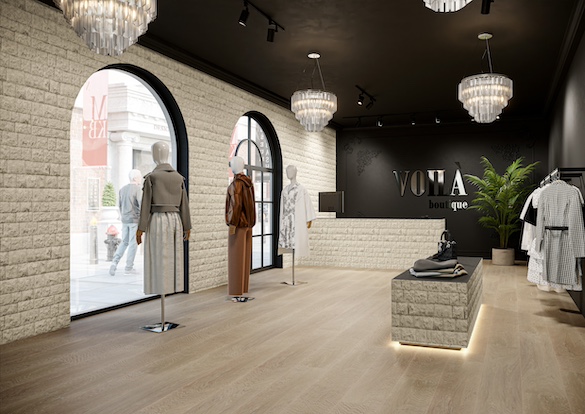
The difference between commercial architecture and commercial design
Although they are often used interchangeably, there are some key differences between commercial architecture and commercial design.
Commercial architecture focuses on the physical structure and construction of the space, including aspects such as space distribution, lighting and accessibility.
Commercial design focuses more on the aesthetics and environment of the space, such as the decoration, furniture and visual elements that create an attractive atmosphere for customers.
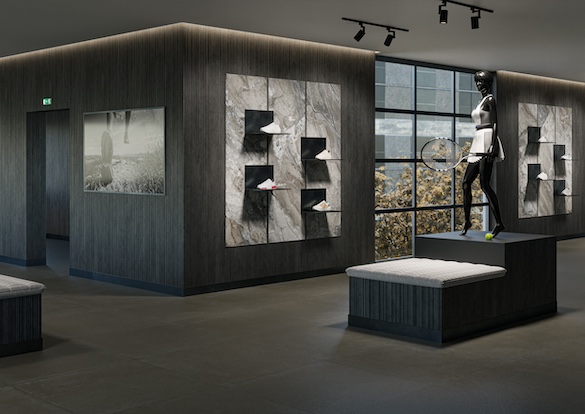
Importance of commercial architecture on façades and interiors
The façade of a commercial building is the first impression that customers have of a brand.
Therefore, it is crucial that the commercial architecture of façades is appealing and reflects the brand's identity.
A well-designed façade can attract passers-by and turn them into potential customers.
It can also differentiate a store from its competitors and boost brand awareness.
→ Get inspired with:
Some successful examples
Companies such as Apple and Nike have used the commercial architecture of their façades to create a strong visual impact.
Apple's stores, with their large picture windows and minimalist design, convey a sense of transparency and modernity.
Nike, on the other hand, uses dynamic and sporty elements on its façades to reflect its brand identity.
Commercial interior architecture
The interior design of a shopping space is essential for creating customer experience. It must be as aesthetically pleasing as it is functional and comfortable.

It must facilitate the flow of customers, guiding them intuitively through the space and highlighting products effectively.
One of the biggest challenges facing commercial interior architecture is space optimisation.
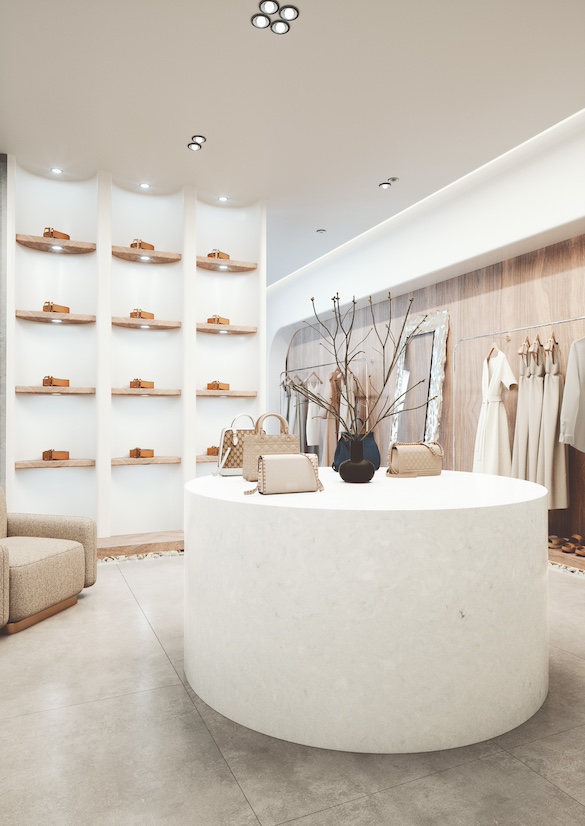
It is essential that designers create a balance between open space and areas dedicated to product display. This not only improves the shopping experience but can also increase sales by allowing a better visualisation of the products.
Architecture in shopping centres
Shopping centres are a perfect example of how this type of architecture can transform the shopping experience, making them more functional and appealing, while encouraging a pleasant and convenient shopping experience.
Design of common spaces
In shopping centres, common spaces, such as corridors, squares and relaxation areas, play a key role. These spaces must be welcoming and comfortable, allowing customers to relax and enjoy their time during their stay. They must also be designed to facilitate movement and access to the shops.
Sustainability in commercial architecture
Sustainability has become a vital aspect of commercial architecture. Modern shopping centres are increasingly introducing sustainable practices, such as the use of recycled materials, efficient lighting systems and renewable energy solutions. These practices benefit the environment, can improve the brand's image and attract eco-friendly customers.
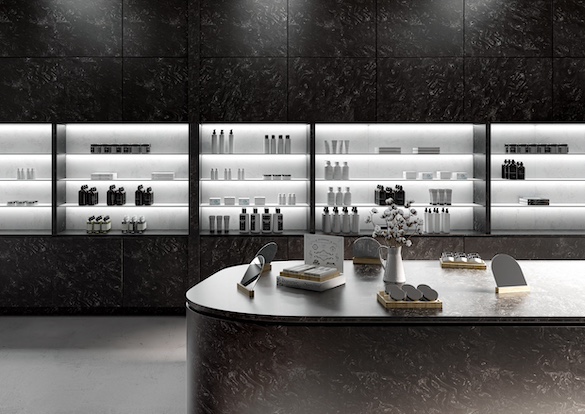
→ In this regard, this may be of interest to you: Discover the new Recycled Content Krion® K·Life 1100, with the same technical properties, but more sustainable than ever.
Conclusion
Commercial architecture is much more than building attractive spaces; it's about creating environments that improve customer experience and strengthen a brand's identity. Whether this is achieved through high-impact façades or well-considered interiors, it plays an essential role in the success of any business.
Frequently asked questions on commercial architecture
What is commercial architecture?
It is the design and construction of commercial spaces that seek to improve the customer's experience and increase sales.
What is the difference between commercial architecture and commercial design?
Commercial architecture focuses on the physical structure and functionality of a space, while commercial design focuses more on its aesthetics and environment.
Why is the façade important in commercial architecture?
The façade is the first impression that customers have of a brand. A well-designed façade can attract customers and improve brand recognition.
What is commercial architecture and how does it improve customer experience?
A good commercial architecture design makes it easier to move around the space, creating an attractive and comfortable environment, while highlighting products effectively.
What role does sustainability play in commercial architecture?
Sustainability is crucial in today's commercial architecture, as it can also reduce the impact on the environment, improve the brand's image and attract eco-friendly customers.