Interior decoration with recycled materials
29/04/2025
Interior design is undergoing a revolution, and with it, opportunities to create spaces that are not only unique but also environmentally responsible. Today, the choice of eco-friendly and recyclable materials is gaining momentum as designers and architects seek to shape projects that not only beautify but also contribute to the well-being of the planet by economising on the use of raw materials.
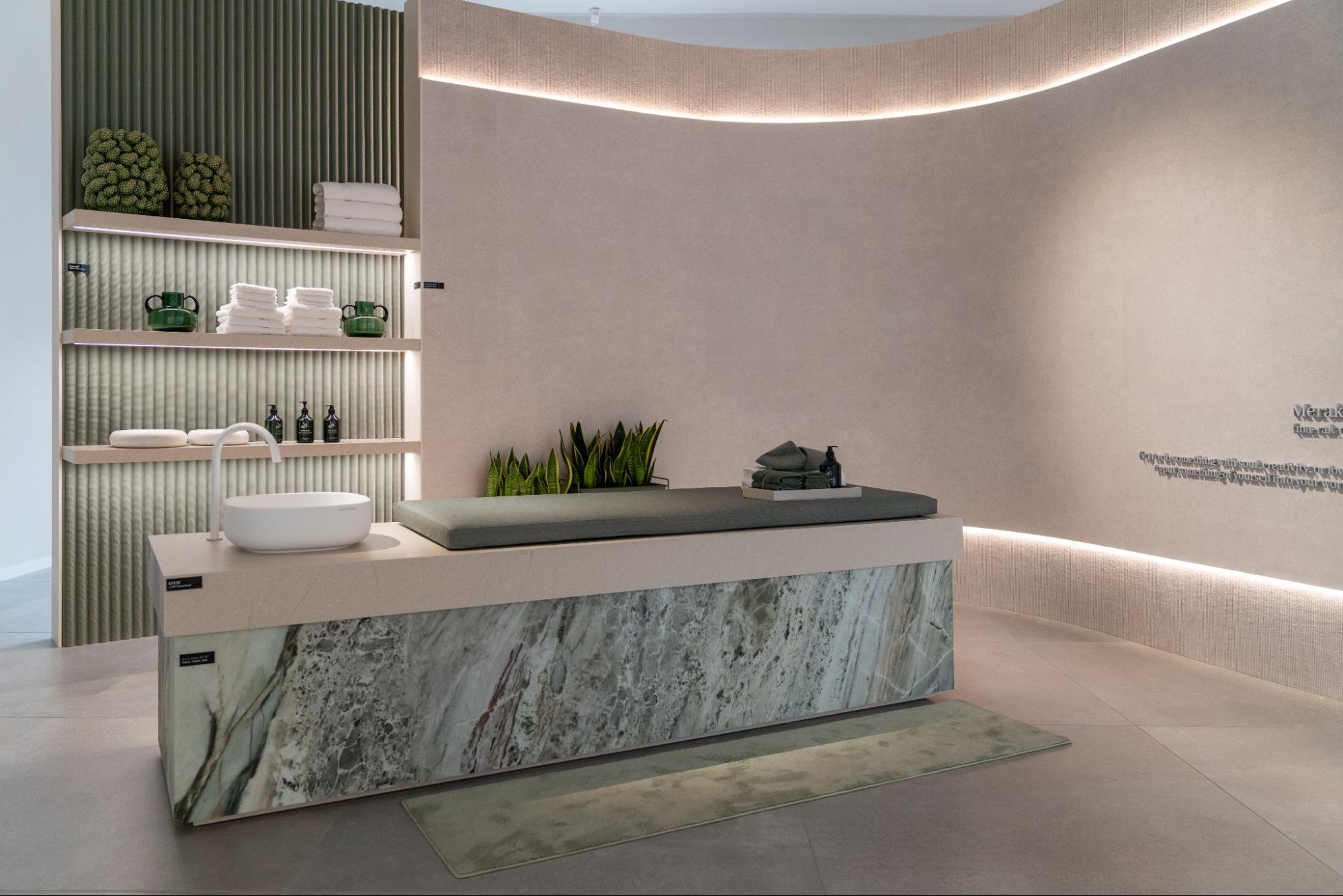
At Krion, we believe that sustainability does not have to limit creativity. That is why we have developed state-of-the-art materials such as Krion® Lux, Krion® Line, Fitwall® and Undora®, which open up endless possibilities for designing different spaces.
If you are looking to transform the interiors of your projects, integrating these materials with recycled content not only improves sustainability and functionality, but also elevates aesthetics and technique to exceptional levels. These materials allow you to create sophisticated, durable and inspiring spaces, perfect for commercial, hotel, office or any environment that needs an innovative and sustainable solution.
Be inspired by the endless possibilities these materials can offer you.
Most common eco-friendly materials in interior design
Sustainable decoration is increasingly present in interior design projects. Using recycled materials with recycled content that are recyclable and have a low environmental impact is an excellent way to transform spaces while caring for the planet. Below, we explore some of the most common materials used in decoration:
Minerals
Minerals are widely used in interior design because of their strength, durability and natural aesthetics. Their ability to stand the test of time makes them ideal for creating robust and visually appealing surfaces.
Krion® Lux is a prime example of how minerals can be combined with a low percentage of acrylic resin to create a resistant, almost non-porous and sustainable material. Krion® Lux is made from natural minerals, such as aluminium trihydrate, and high-quality resins, which give it exceptional strength and durability. This material can be repaired, leaving it looking as good as new, extending its useful life and avoiding waste and the use of resources.
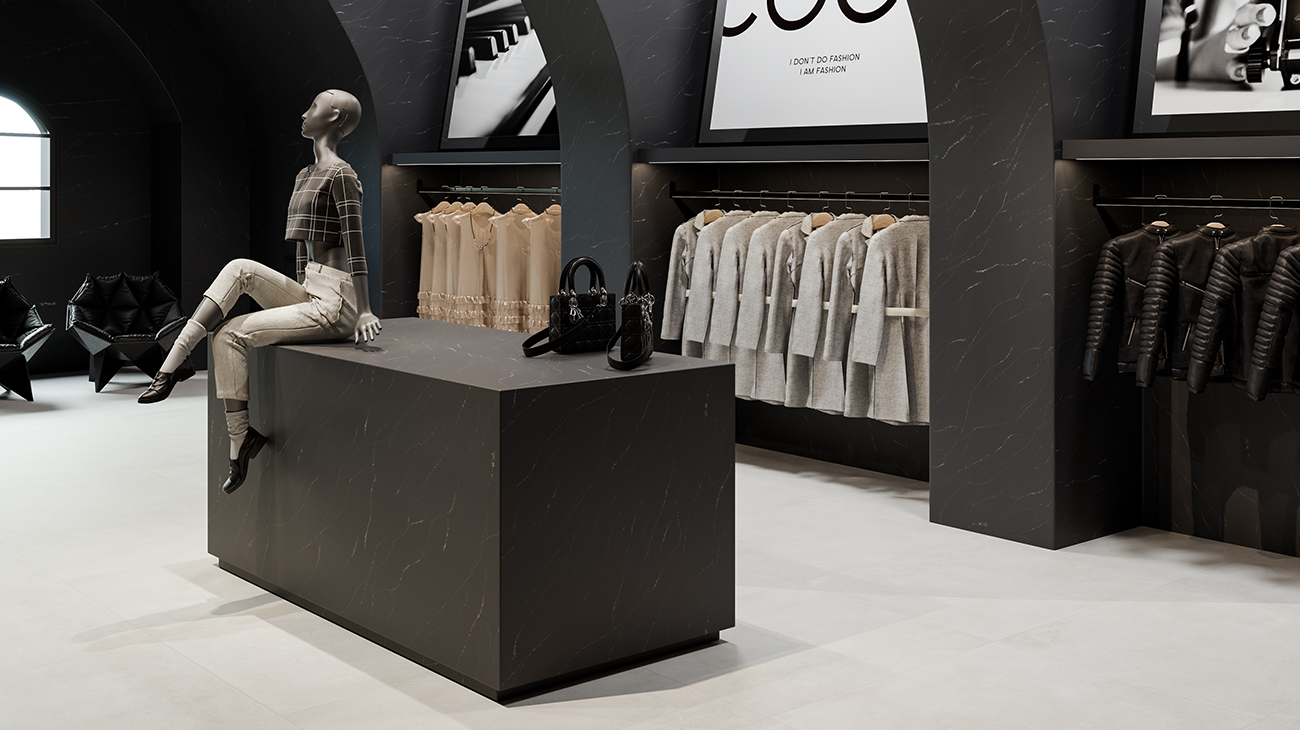
Recycled Content Krion® K·Life 1100, the quintessential white Krion PORCELANOSA Group product, takes this philosophy one step further by incorporating recycled material into its manufacture, significantly contributing to reducing the carbon footprint of production. This material, in addition to offering the same purity and durability as Krion® Lux, now includes a minimum of 5% recycled content, making it even more environmentally friendly.
Krion® Line This new material is composed mainly of high mineral content, aluminium trihydrate (ATH), polyester resin with organic binder and natural inorganic pigments for decoration, which provide durability to the material. It is designed for installation in furniture, continuous surfaces, linear interior cladding, bathroom and kitchen countertops, both in residential and contract environments that do not require thermoforming. This not only simplifies the installation process but also optimises project resources.
Krion® Line contains a minimum of 6% recycled material. Through this reprocessing and recycling of waste materials, the need for virgin materials is reduced, thus avoiding a potential waste stream.
Robust, solid and homogeneous, one of the most outstanding features of Krion® Line is its ability to be cut and drilled without generating stress, as well as allowing for virtually invisible joints. This material is impact resistant, has a long service life, is resistant to abrasion and knocks, and withstands exposure to fire without spreading the flame, obtaining the B s1 d0 certificate.
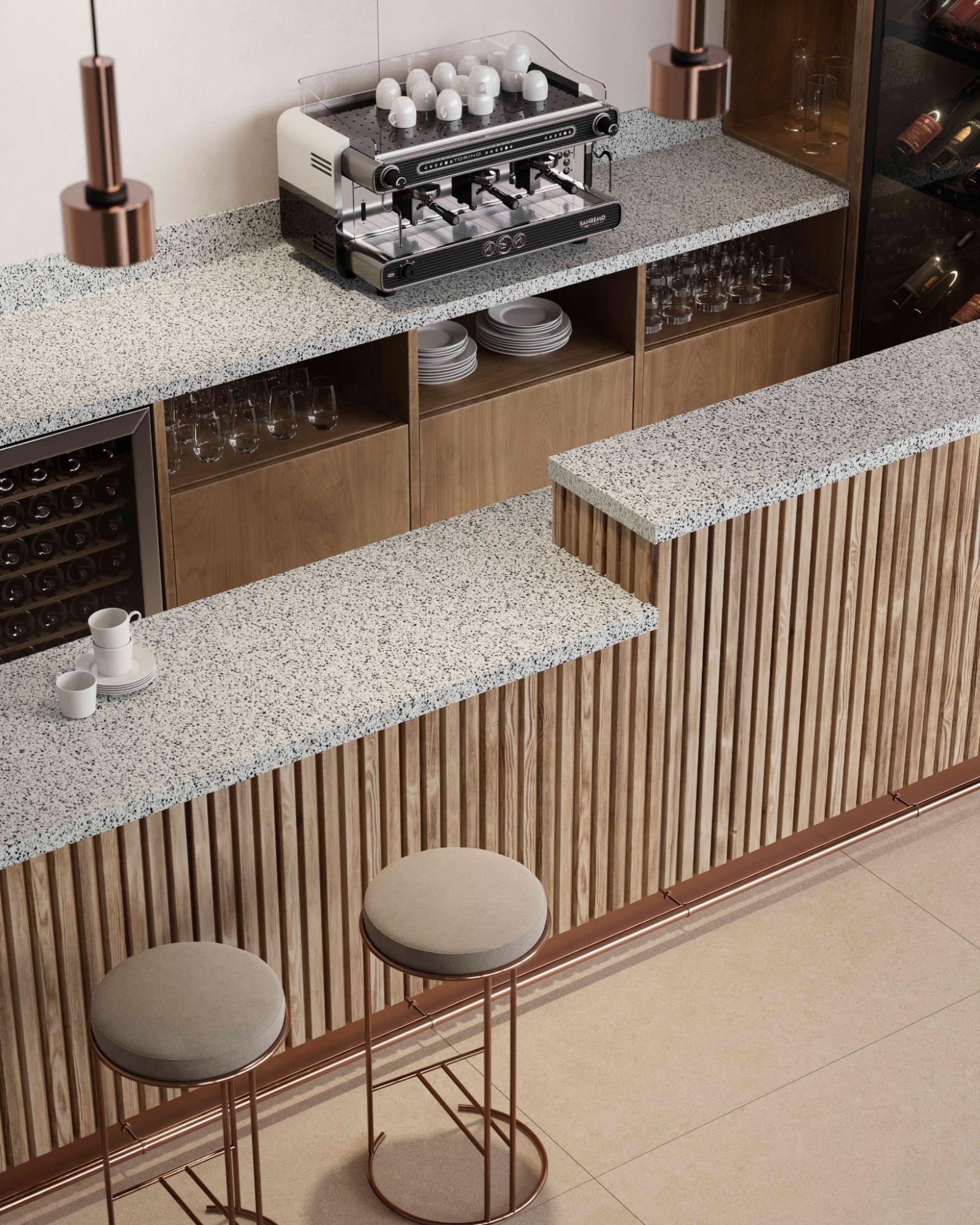
Krion® Line KL R101 Mures
Fitwall®, for example, is a decorative panel inspired by nature, manufactured with a high concentration of minerals. The reduction of resins in its composition makes it even more sustainable, allowing the creation of realistic textures that imitate materials such as wood, cement and terracotta. In addition, Fitwall® incorporates 6% recycled PET in its composition, giving it an even smaller ecological footprint, helping to reduce plastic waste and promote the circular economy.
The mineral composition of Fitwall® makes the material not only more durable but also resistant to factors such as exposure to fire. In addition, its realistic finishes and textures offer exclusivity to the environment.
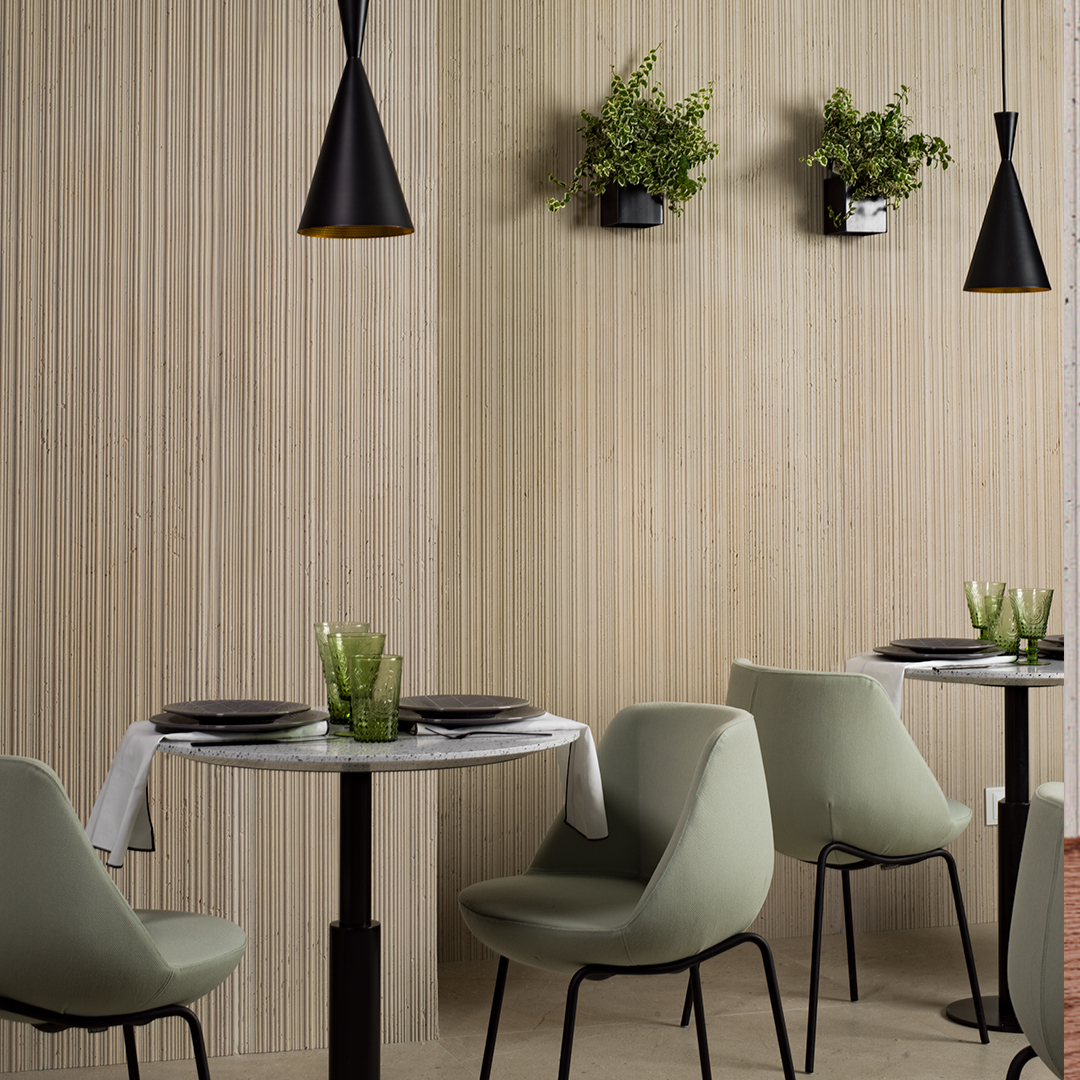
Undora®, meanwhile, is a cladding material composed of at least 90% mineral filler, obtained mainly from white marble waste and local ceramic scraps. Designed with sustainability in mind, it combines aesthetics, functionality and environmental respect in a single solution.
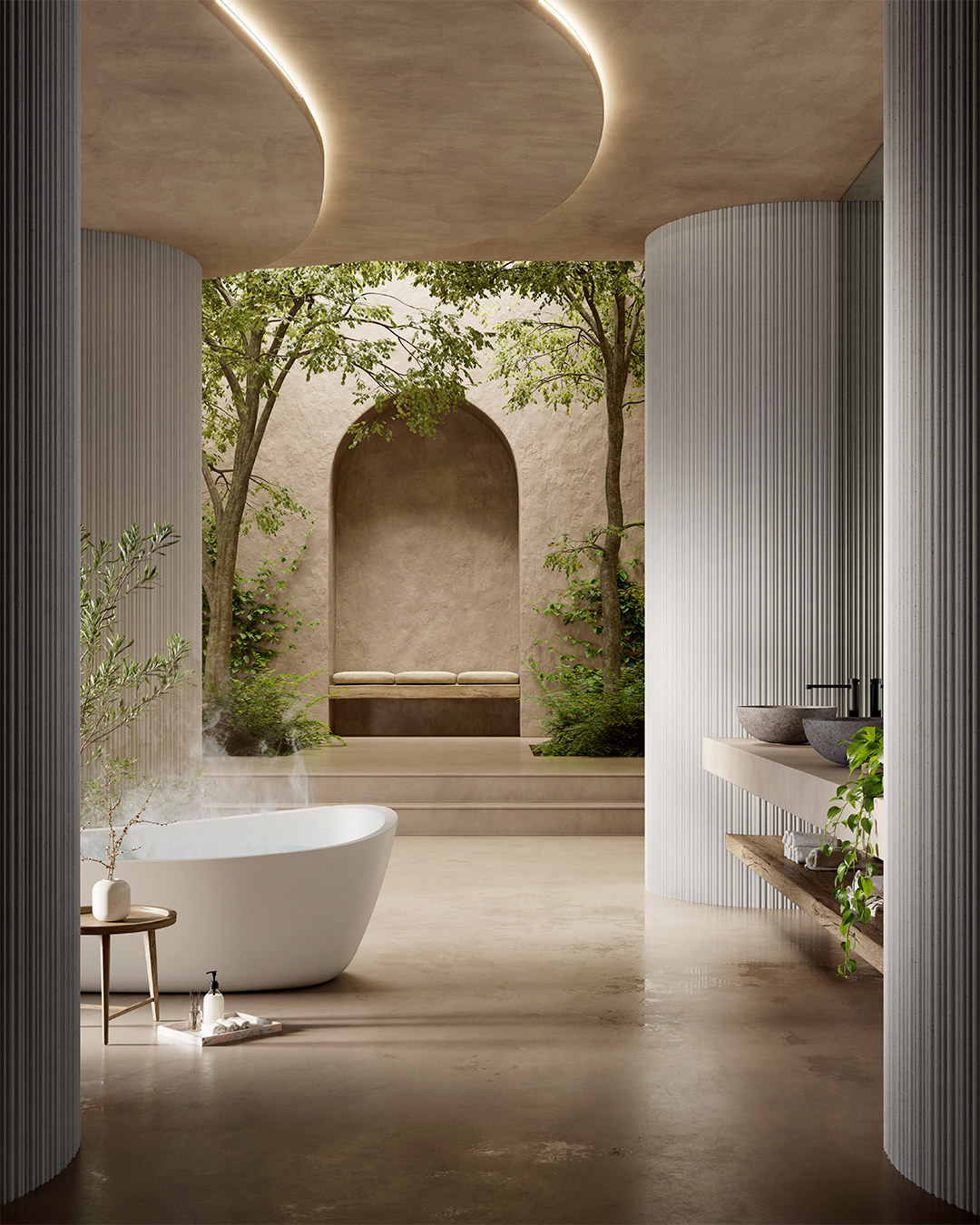
Undora®
It is thin—between 2 and 8 mm depending on the model—and its light weight and large format allow for easy, clean installation without any construction work, even on existing surfaces. This makes it an ideal choice for efficient renovations and projects that require agility without compromising on design.
With textures derived from natural materials such as mortar, stone and terracotta, Undora® offers an aesthetic and practical alternative to traditional cladding, bringing warmth, character and environmental commitment to every space.
Why decorate with recycled materials?
Choosing recycled materials is a way of giving new life to resources, transforming what could have been wasted into elements that tell a story and serve a unique purpose. It is an act of reimagination, of shaping spaces where creativity and sustainability meet, creating environments that are not only visually striking but also responsible towards the world around us.
By integrating recycled materials, we are not only contributing to the circular economy, but also making a difference by creating environments that reflect a more conscious vision of the future. Each piece, from a panel to a curved surface, becomes an opportunity to reinvent interior design, merging innovation, aesthetics and functionality in spaces that go beyond the conventional.
Today, more than ever, designers have the power to create projects that are not only modern and sophisticated, but also a statement of values. By choosing recycled materials, we are not only reducing waste, but also shaping a future where design becomes an agent of change, contributing to the well-being of people and the planet.
Decoration ideas for the different spaces in your projects
Imagine a commercial space that not only surprises customers but also makes them feel part of a greener future. Every surface, every corner, is a statement of principles: a place where beauty and sustainability come together naturally. These materials not only give new life to what others consider waste, but also allow us to shape environments that inspire, that vibrate with energy and purpose, elevating the customer experience beyond the visual.
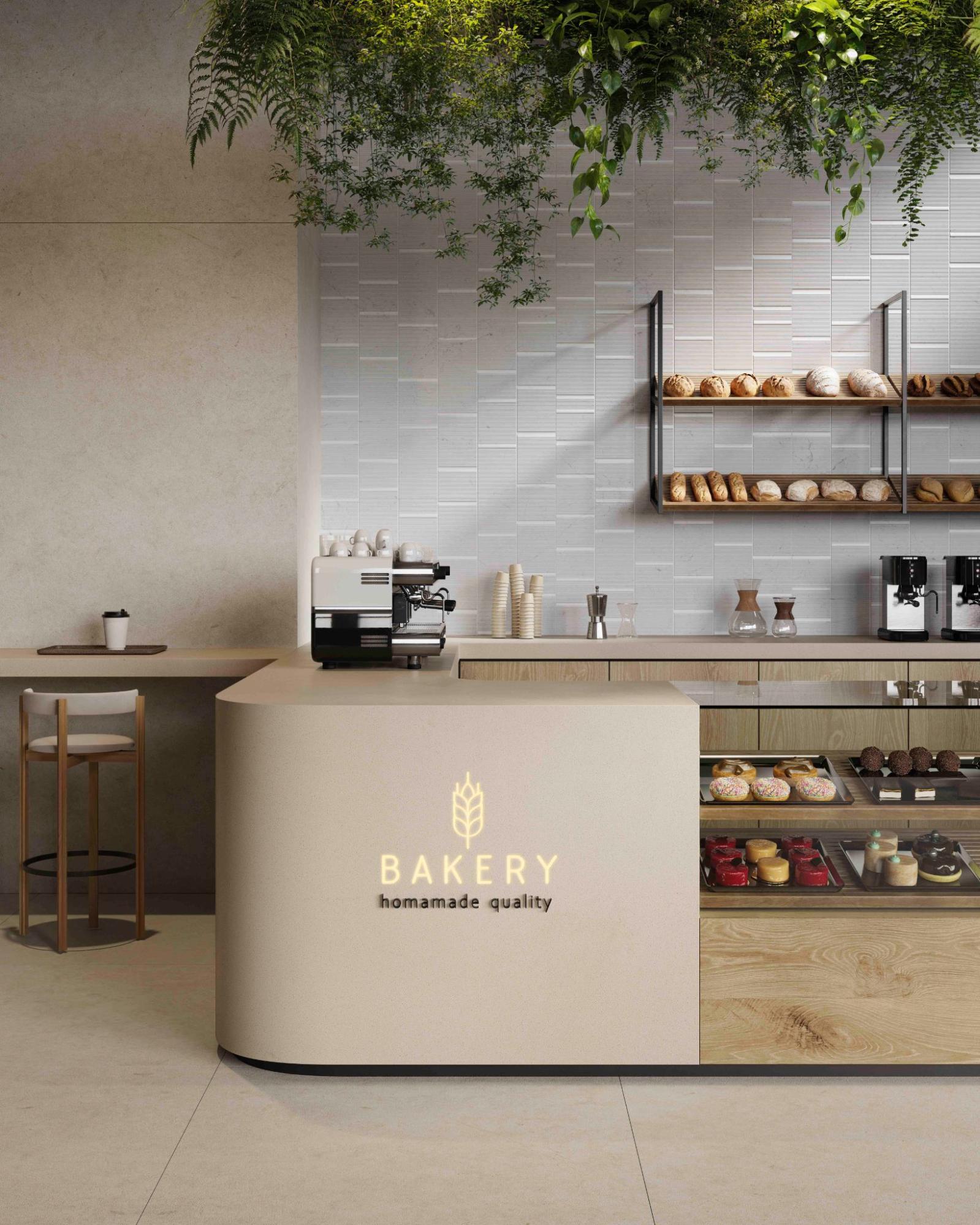
Krion® LUX L510 Lime Clay
Now is the time to revolutionise the way shops, restaurants and hotels are designed, harnessing the power of recycled materials to create spaces that not only look modern and sophisticated, but also speak to the future. Spaces that invite reflection, feel authentic and conscious, and are a testament to a genuine commitment to the planet.
Below, we explore some of the best ways to incorporate recycled materials into different areas of your projects.
Walls that define the character of a space
In commercial and hotel projects, recycled walls have the power to transform environments. From decorative panels with innovative textures to cladding that replicates natural materials, these surfaces not only add character, but also durability and ease of maintenance. Imagine a hotel lobby where the walls made of recycled materials evoke a sense of modernity and warmth, or a retail store with finishes that capture the essence of the brand and convey the place's ecological commitment. Each wall can be a focal point that, in addition to functioning aesthetically, tells a story of renewal and sustainability.
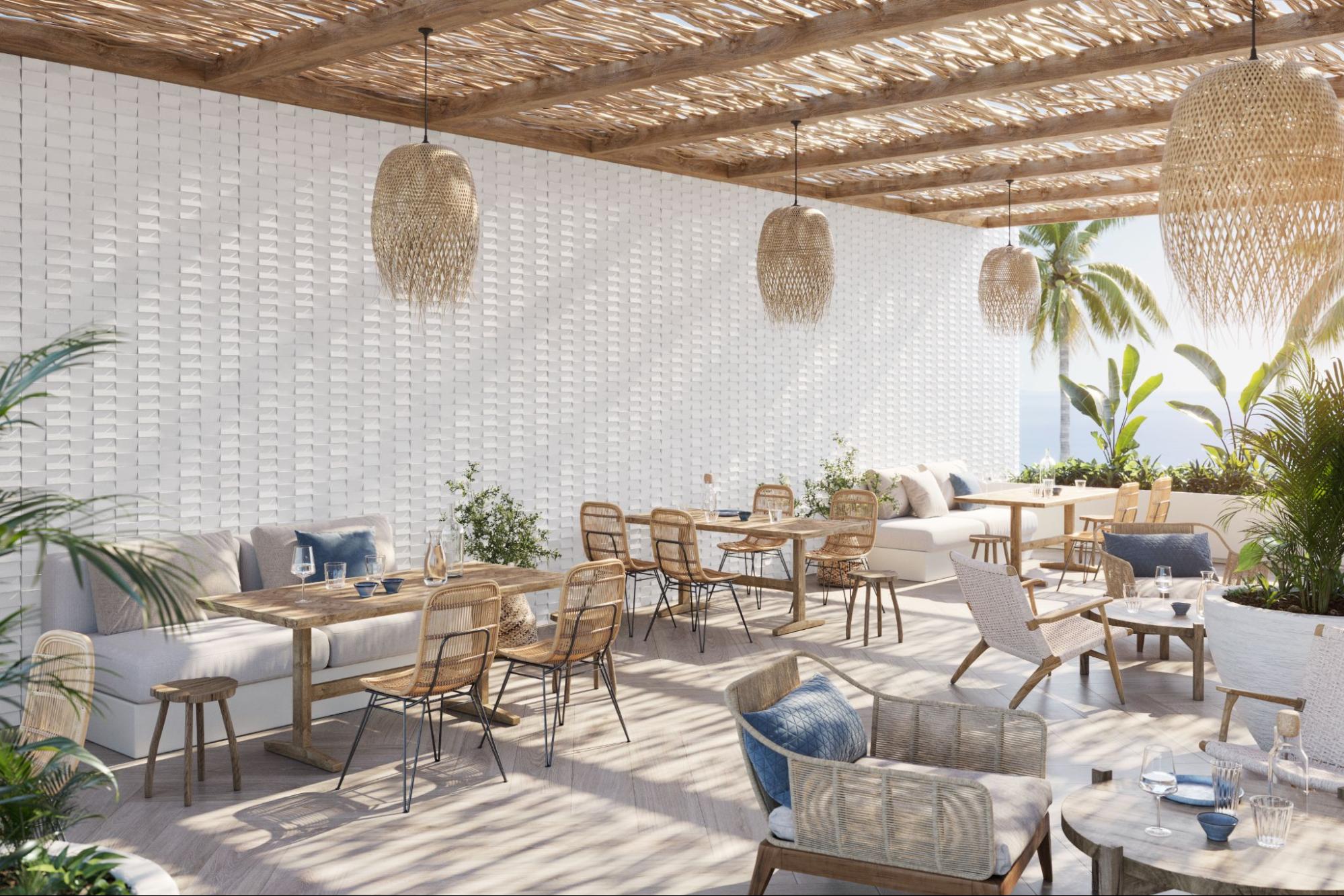
Countertops
Countertops are a key feature in projects such as restaurants, bars and hotels, becoming the heart of the space. With recycled materials, countertops can offer functionality and elegance while reinforcing the message of sustainability. Imagine a bar counter or kitchen countertop that not only stands the test of time but also has a unique aesthetic. Recycled materials allow you to create surfaces with finishes ranging from industrial minimalism to rustic warmth, adapting to any style while maintaining a firm commitment to the environment.
Hotel receptions
Hotel receptions are the first point of contact with customers, and recycled materials are perfect for conveying a message of innovation and responsibility from the outset. Think of a reception desk that combines recycled materials with cutting-edge design, creating a welcoming and sophisticated atmosphere. From solid surfaces made from recycled materials to reclaimed wood, every choice can reinforce the identity of the place, offering a warm and unique atmosphere. Receptions in commercial or hotel projects must be much more than functional; they must surprise, captivate and invite the customer to a memorable experience.
Panels such as Fitwall® are easy to install without the need for special equipment or construction work. Their light weight, which varies between 6 and 10 kg/m² depending on the model, allows for quick and easy installation. In addition, Fitwall® can be cut to fit any space, making it extremely versatile. Its mineral composition makes it fire-resistant, durable and easy to maintain, making it the ideal choice for commercial and hotel projects seeking an aesthetic, functional and sustainable solution with no complications during installation.
Colour palette
The colour palette in a commercial or hotel project has the power to transform the atmosphere of a space, and when combined with recycled materials, it becomes a powerful tool for reflecting a commitment to the environment. Neutral tones, such as soft whites, warm greys and natural beiges, not only amplify the brightness of the space, but also create a sense of calm and serenity, inviting customers to connect more deeply with the environment.
However, to add warmth and a touch of elegance, you can incorporate accents in earth tones, such as terracotta or aged wood, which evoke nature and the past, while colours such as olive green or deep blue can add a sense of freshness without losing the connection to the natural world. The key is to use these tones harmoniously, creating a space that not only looks modern and sophisticated but also speaks of responsible design, in tune with a greener and more conscious future.
It's time to take the next step towards more sustainable design. Discover how recycled materials can transform your projects, offering innovative, functional and eco-friendly solutions. Discover our recyclable material options and transform your project in a responsible way.
,